

How I Monetize My Substack While on Vacation
The simple system I use to create digital products that continue selling while I'm offline.

Hello you 🤍
I hope you’re doing well.
I am.
I just woke up and am now sitting on a balcony, looking out at the ocean.
I’m listening to the sounds of people on the beach.
They laugh. Children play. The waves meet the sand.
I love life, and life loves me.
Loop it. Affirm it.

What a 5.1% Conversion Rate Taught Me About Selling Digital Products
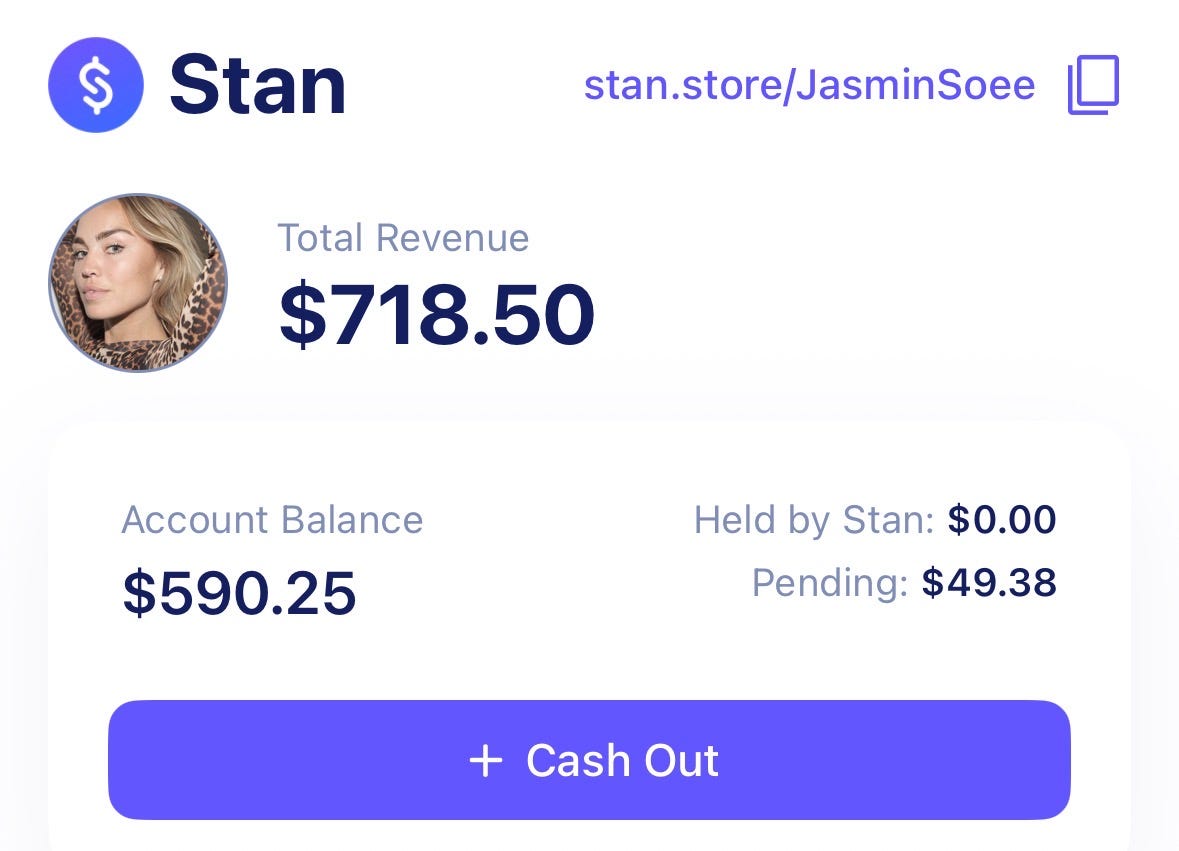
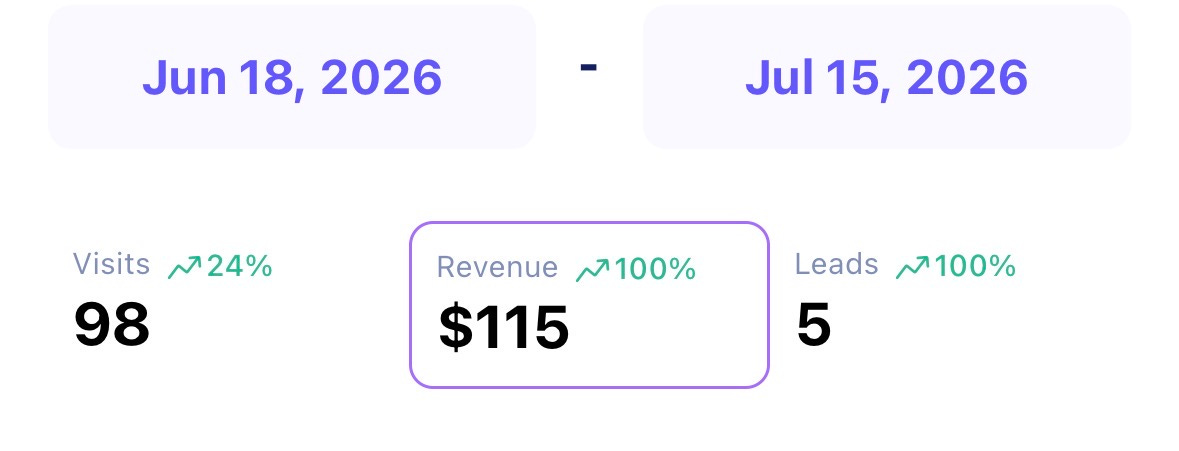
Over the past 28 days, my store has converted at 5.1%.
What do I sell?
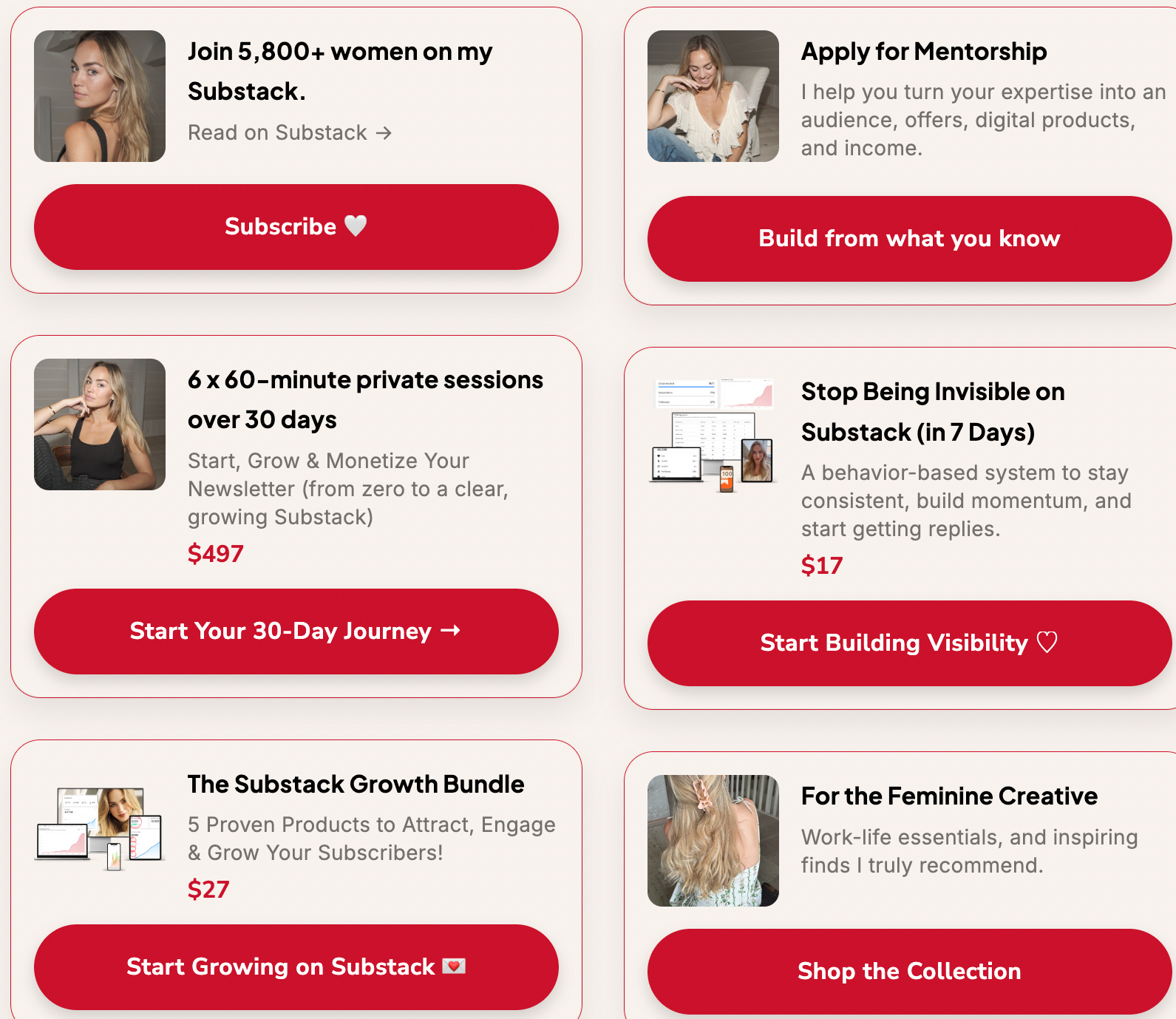
Well, a few different guides designed to support Substack growth and help people become more visible.
If you’re interested in creating digital products, have a look at this article I wrote a while back:
What’s amazing is this:
My products have been selling themselves.
While I was in Paris reading a book, a sale came through.
While I was in Paris having an ice cream with my daughter, a sale came through.
While I was having lunch on a balcony with my love, a sale came through.
And so on.
That’s what working smarter can look like.
How I Sell Digital Products Without Constantly Selling
Today, I’d love to share exactly how I do it.
Let’s start at the beginning.
First, I’ll show you how to create a digital product step by step using the tools I use: ChatGPT, Canva, and Stan Store.
Next, I’ll share how I promote my products subtly by mentioning them naturally in my newsletter and consistently creating content around what I’m passionate about.
Here’s something that might surprise you:
I haven’t actively marketed my products even once.
I’ve simply followed the approach above and still reached a 5.1% conversion rate.
Before we dive in, I’d love to give you a little context around conversion rates.

A Little Context on Conversion Rates
Before we dive in, I’d love to put that 5.1% into perspective.
A conversion rate simply tells you how many people make a purchase after visiting your store.
For example:
A 1% conversion rate means 1 out of every 100 visitors buys something.
A 3% conversion rate is generally considered strong for most online stores.
Anything above 5% is often seen as exceptional.
So when I looked at my analytics and saw 5.1%, I smiled.
Not because it’s a perfect number.
But because it reminded me that you don’t need thousands of products, complicated funnels, or aggressive sales tactics to create meaningful income online.
You need a product that solves a real problem.
You need people who trust you.
And you need to make it easy for them to take the next step.
That’s the approach I’ve taken.
No countdown timers.
No daily sales emails.
No pushing people to buy.
Just consistently sharing what I know, creating helpful resources, and naturally mentioning them when they’re relevant.
Over time, that trust compounds.
And sometimes, while you’re reading a book, enjoying lunch, or watching the waves meet the sand…
A sale comes through.
Lastly, I’d love to share a guide to help you discover your next digital product based on your own expertise.
Let’s go.
How to Create a Digital Product (Step by Step)
Creating a digital product is much simpler than most people think.
In fact, I use just three tools:
ChatGPT for brainstorming, outlining, and writing.
Canva for designing the final guide.
Stan Store for selling and delivering it automatically.
Here’s my process.
Step 1: Start with What You Already Know
You don’t need another certification.
You don’t need to become an expert overnight.
Ask yourself:
What do people ask me for advice about?
What have I learned through experience?
What problem can I help someone solve?
The best digital products are often simple solutions to specific problems.
Step 2: Choose One Clear Transformation
Don’t try to teach everything.
Instead, help someone move from one point to another.
For example:
From invisible to visible on Substack.
From overwhelmed to organized.
From not knowing where to begin to publishing consistently.
The clearer the transformation, the easier it is to sell.
Step 3: Create an Outline with ChatGPT
Once you know the problem you’re solving, ask ChatGPT to help you structure your ideas.
For example:
“Create an outline for a guide that helps new Substack writers gain their first 100 subscribers.”
You can then expand each section, add your own experiences, examples, and exercises, and make it uniquely yours.
Think of ChatGPT as your writing assistant—not your replacement.
Your perspective is what makes the product valuable.
Step 4: Design It in Canva
Once the content is ready, move everything into Canva.
Choose a clean template.
Use your brand colours, fonts, and imagery.
Remember:
People aren’t buying beautiful design.
They’re buying clarity.
Keep it simple, easy to read, and enjoyable to work through.
Step 5: Upload It to Stan Store
Export your guide as a PDF.
Upload it to Stan Store.
Add:
A clear title.
A short description.
A product image.
A price.
Now your guide can be purchased and delivered automatically—whether you’re working, sleeping, travelling, or spending time with the people you love.
Step 6: Improve Over Time
Your first version doesn’t have to be perfect.
Publish it.
Listen to feedback.
Update it as you learn.
And please make an effort to create the very best product you can. Remember that people are spending their hard-earned money on what you create. Respect that by only offering products you genuinely stand behind and feel proud to put your name on.
With that said,
Digital products are living resources—you can improve them whenever you like.
The most important part is getting started.
Because you can’t improve something you’ve never shared.
How I Promote My Digital Products Without Feeling Salesy
One of my favourite things about digital products is this:
You don’t have to become a salesperson. (nothing wrong with being one…)
You simply have to become someone who consistently shares what they know.
That’s exactly what I’ve done.
I don’t create content just to sell.
I create content to help.
The sales happen as a natural by-product.
Here’s what that looks like in practice.
1. Write About What You Know
Every newsletter I write is centred around something I’m genuinely passionate about.
Substack growth.
Newsletters.
Digital products.
Mindset.
Building a business that gives you more freedom.
Over time, people begin to associate you with those topics.
And when they’re ready to go deeper, your products become the natural next step.
2. Mention Your Products Naturally
You don’t need an entire sales email.
Sometimes, one sentence is enough.
For example:
“If you’d love to dive deeper into this topic, I’ve created a guide that walks you through it step by step.”
That’s it.
No pressure.
Just an invitation.
3. Let Your Content Build Trust
Every helpful article, Instagram post, podcast episode, or LinkedIn post is another opportunity for someone to discover your work.
Not everyone will buy the first time they find you.
Most won’t.
But they’ll begin to trust you.
And trust is often what leads to a sale.
4. Stay Consistent
You don’t need to post every day.
You do need to keep showing up.
